Play 2026 Book Bingo
Reading Through 250 Years of U.S. History

In 2026, the United States is celebrating the 250th anniversary of the Declaration of Independence on July 4th, 1776. To recognize the Semiquincentennial, we wanted to focus on reading books about pivotal moments in the country’s history.
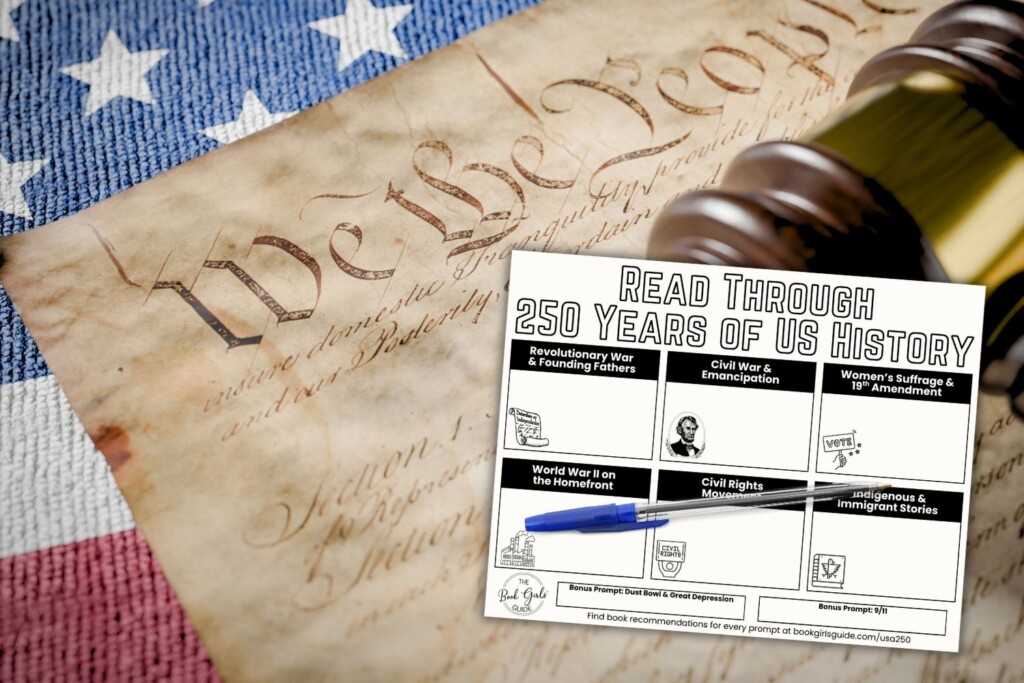
Our past and present are far from perfect. We hope this reading not only deeply educates us about events from history but also helps us celebrate the countless people who pushed for positive changes along the way or made sacrifices for the greater good.
We know that the reading prompts we’ve selected only provide a snapshot of a limited number of historical events. If you’re interested in learning more about the period from the 1880s to today, we also have book lists by decade available. Each decade list highlights additional pivotal events, such as the Vietnam War.
Six Reading Prompts From American History
Revolutionary War & Founding Fathers
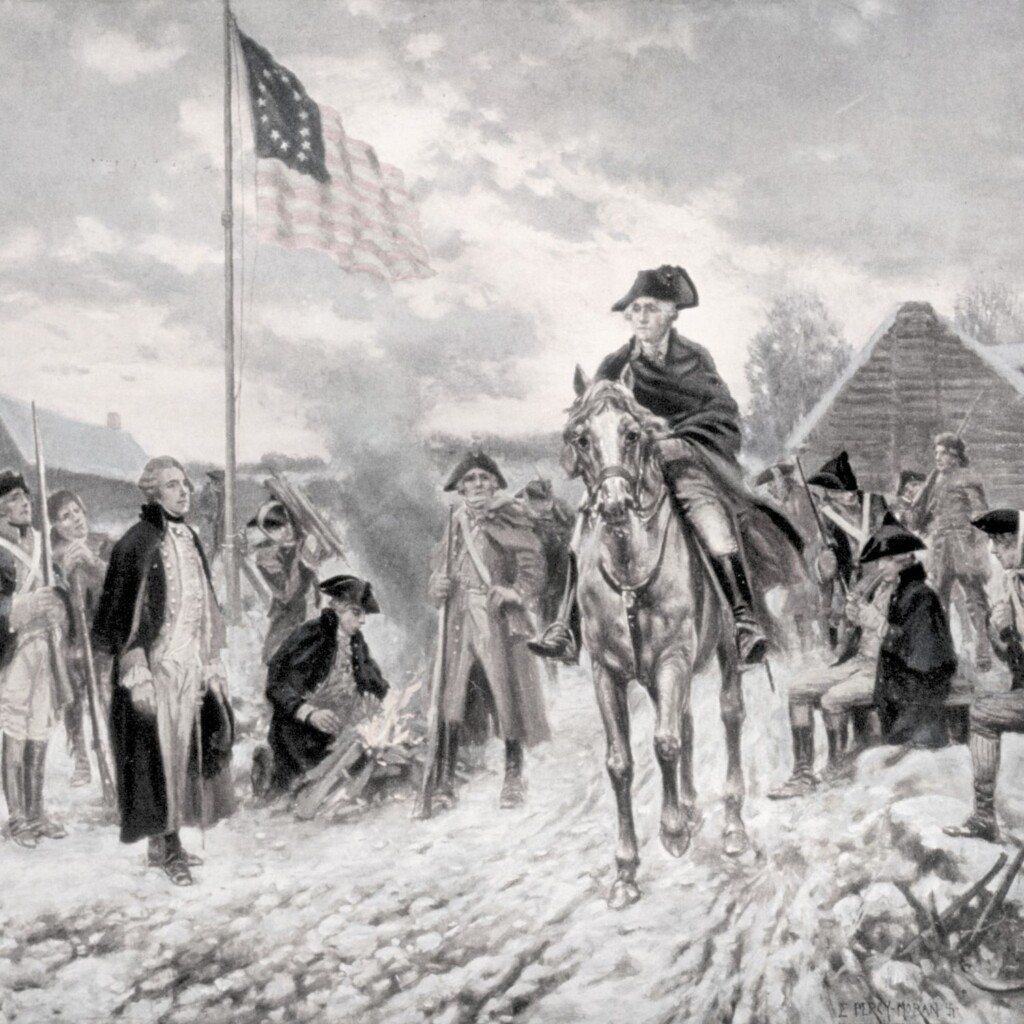
We’re starting this challenge at the foundation of the United States of America in the 1770s and 1780s, which included the Revolutionary War and the Founding Fathers’ creation and ratification of the Constitution. Keep in mind that, while this was the start of the United States, the land was previously occupied by hundreds of distinct Indigenous tribes.
Civil War & Emancipation
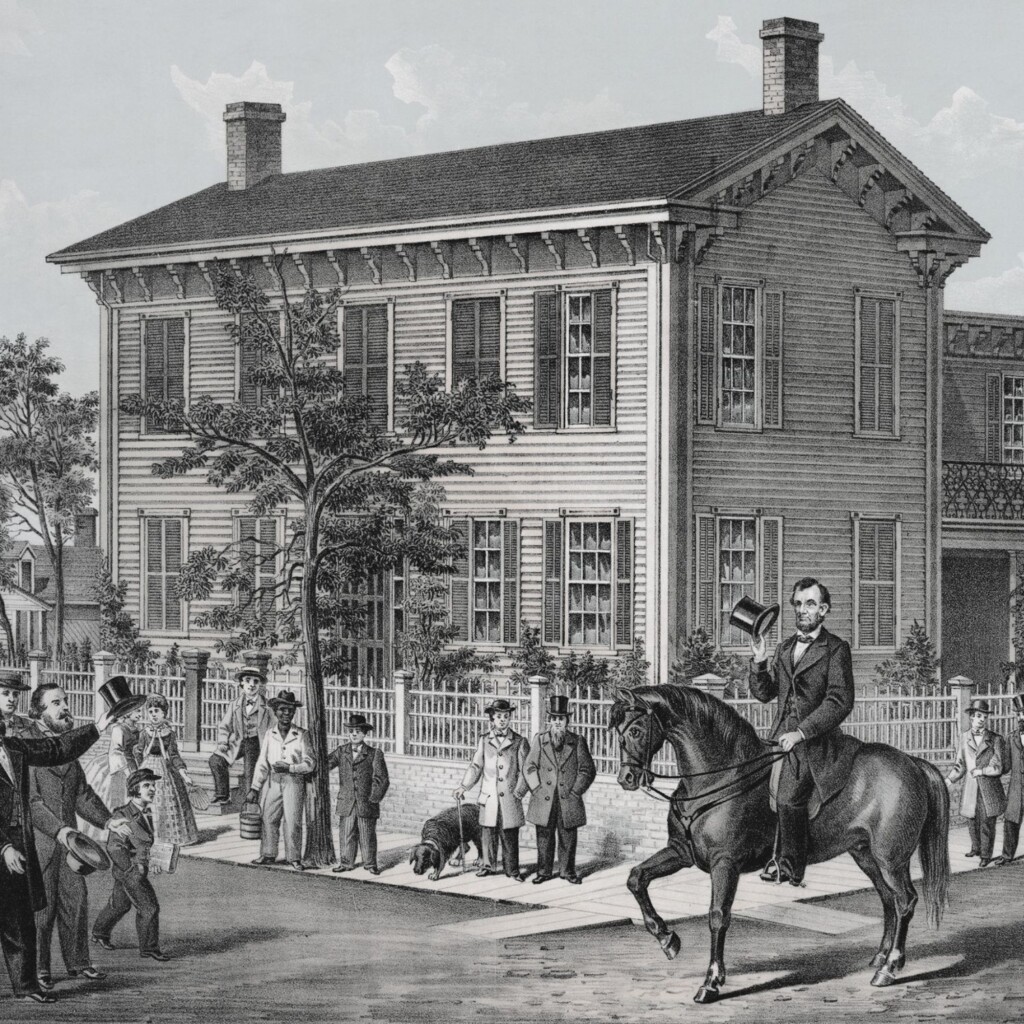
Our second stop in US history will be the Civil War and the abolition of slavery, which was a nearly 100-year process, with Vermont being the first republic to end slavery in 1777, and the 13th Amendment ending slavery nationally in December of 1865.
Women’s Suffrage & the 19th Amendment
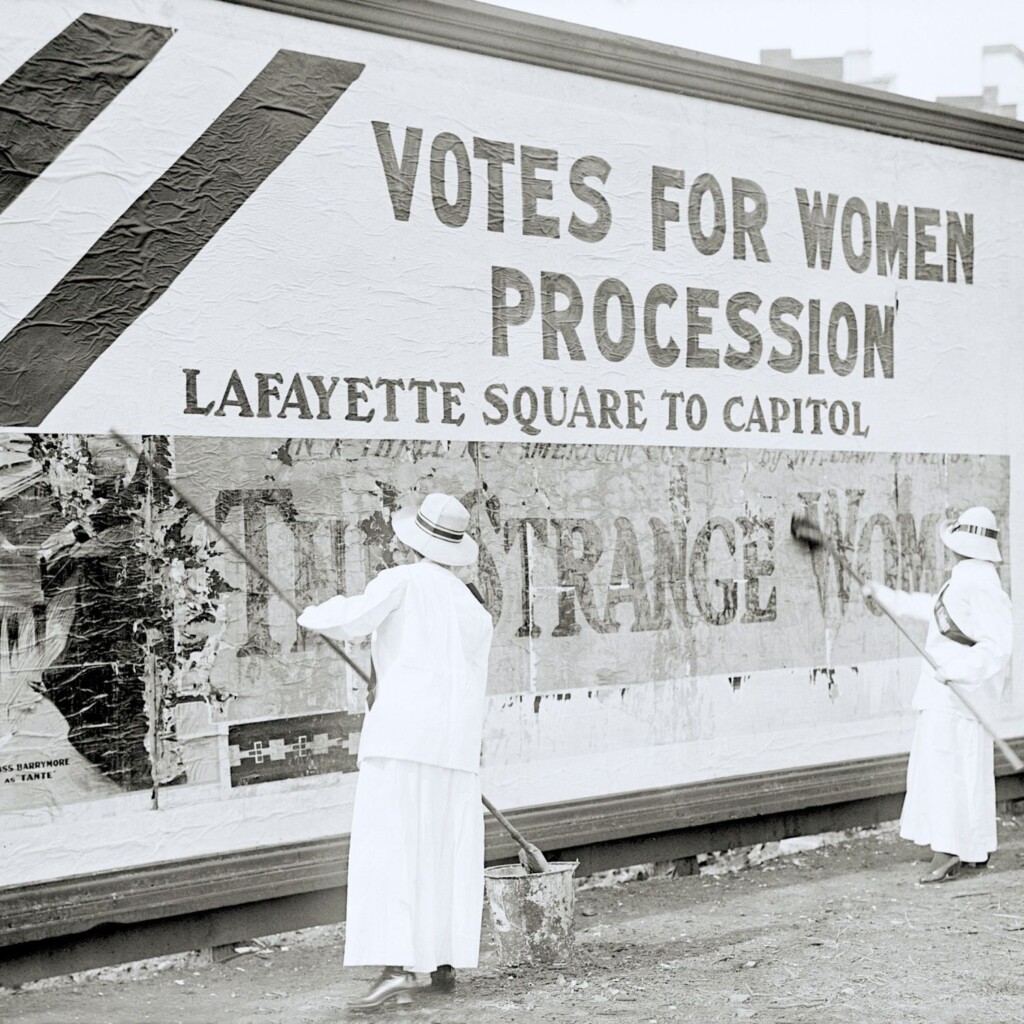
The path to the 19th Amendment, which allowed women the right to vote, was hard-fought. Wyoming was the first state to grant the unrestricted right in 1869. However, the 19th Amendment wasn’t ratified until 51 years later, in 1920. Those five decades were filled with endless, frustrating (and sometimes dangerous) work by suffragettes.
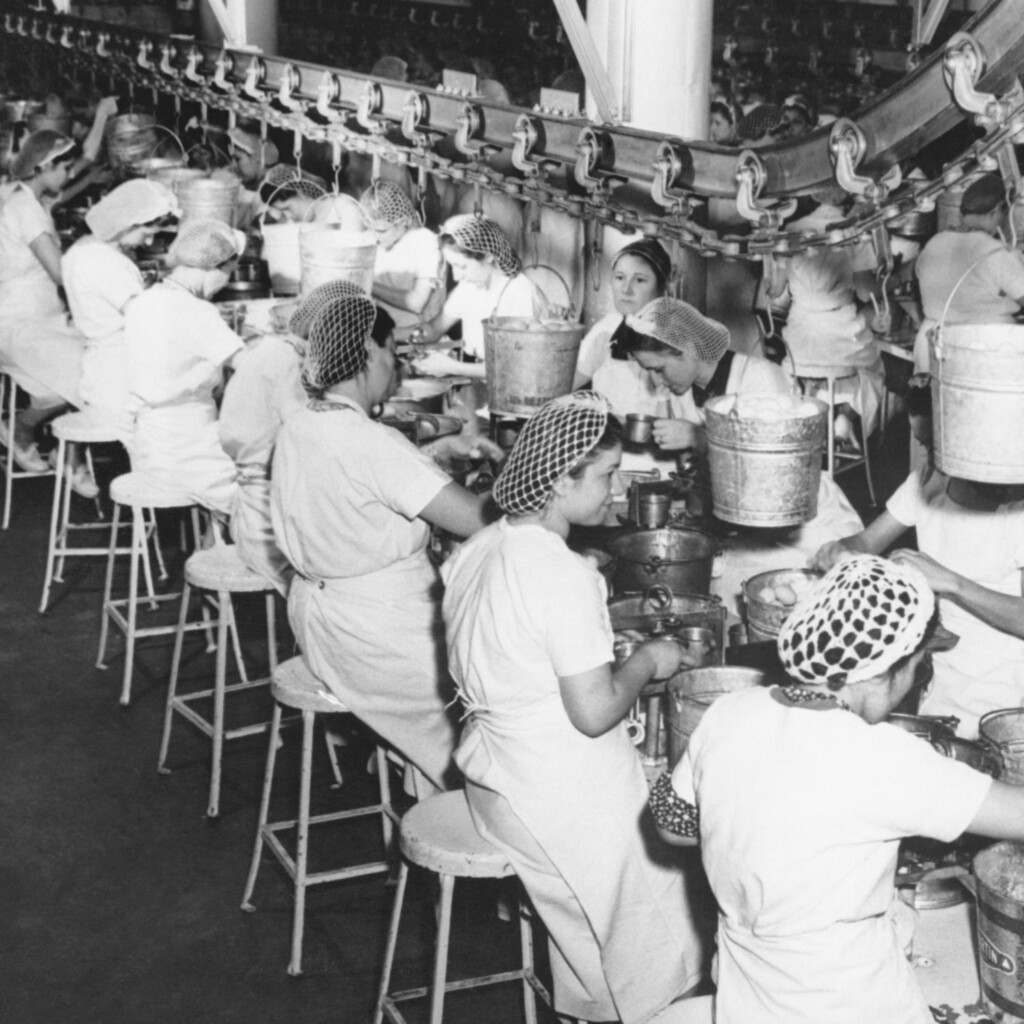
WW2 on the Homefront
As essential jobs previously held only by men were open during the war, women’s roles in the workplace expanded in unexpected ways. This period accelerated the expansion of rights for women, although wages lagged far behind what men were paid for the same jobs.
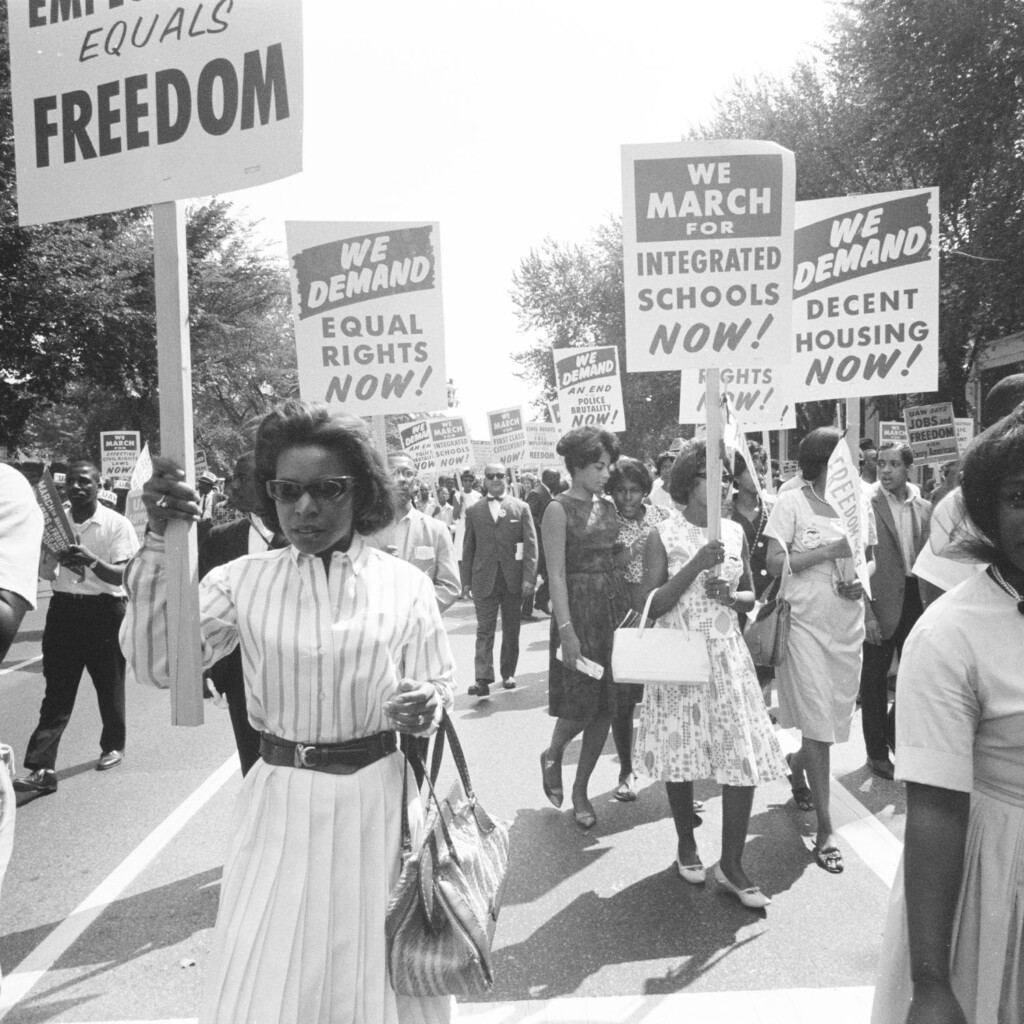
Civil Rights Movement
Although the Emancipation Proclamation and the 13th Amendment abolished slavery, it took another hundred years for Black Americans to have equal rights under the law. Jim Crow laws from 1877 into the 1960s created social, educational, and economic disadvantages, especially throughout the South. In the 1950s & 1960s, a series of Supreme Court decisions and laws moved our country closer to equal civil rights, in response to pressure from both everyday citizens and vocal leaders like Martin Luther King, Jr.
Indigenous & Immigrant Stories
When we thought about our young country and its pivotal moments, we considered that the heritage of present-day Americans comes from either one of the Indigenous nations that have inhabited the land for centuries or from immigrants who found their way to a new country.* For our final prompt, we wanted to highlight stories about being Indigenous or an immigrant in the US at different points throughout history, including the present-day.
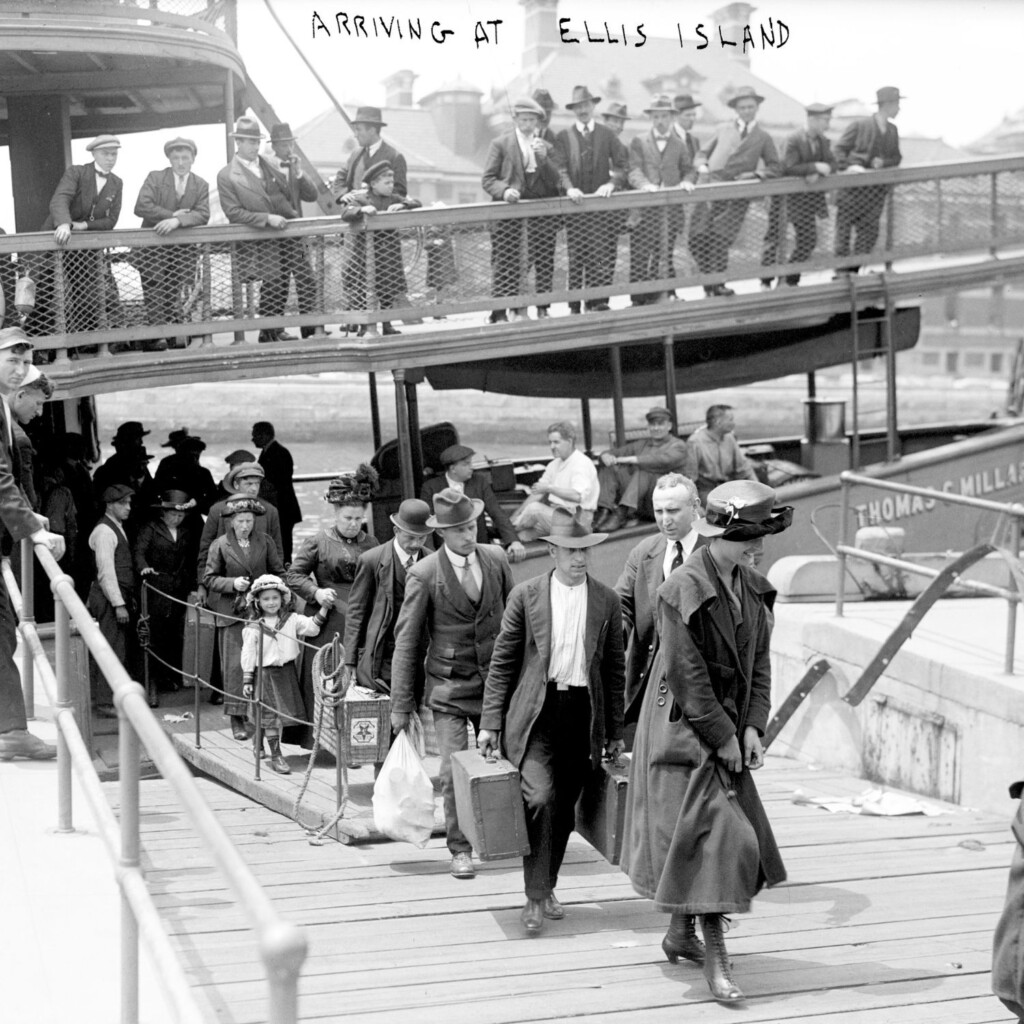
*We also acknowledge that some of our ancestors came to the US unwillingly through the slave trade or indentured servitude. Some of those stories are captured within the Civil War prompt, but we also encourage everyone to reflect on this aspect of history as they complete this prompt.
Bonus Prompts
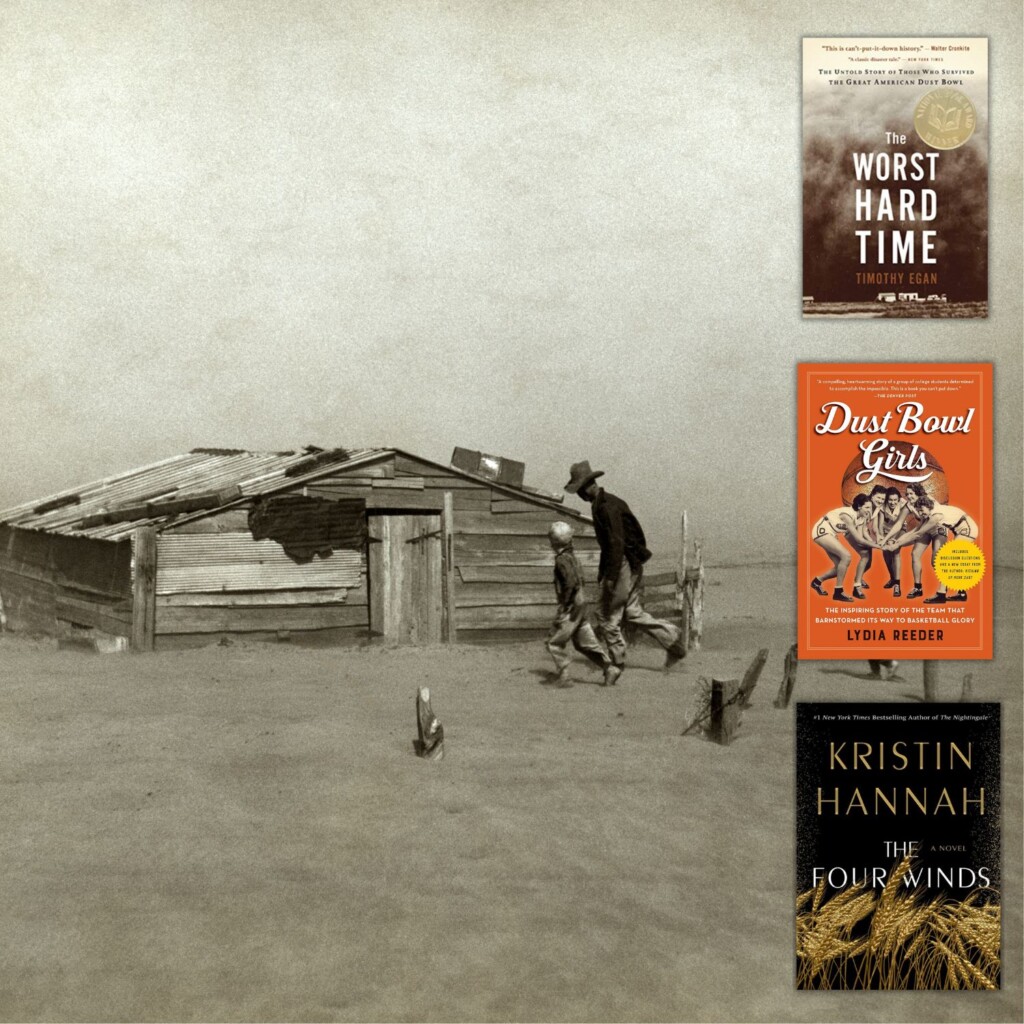
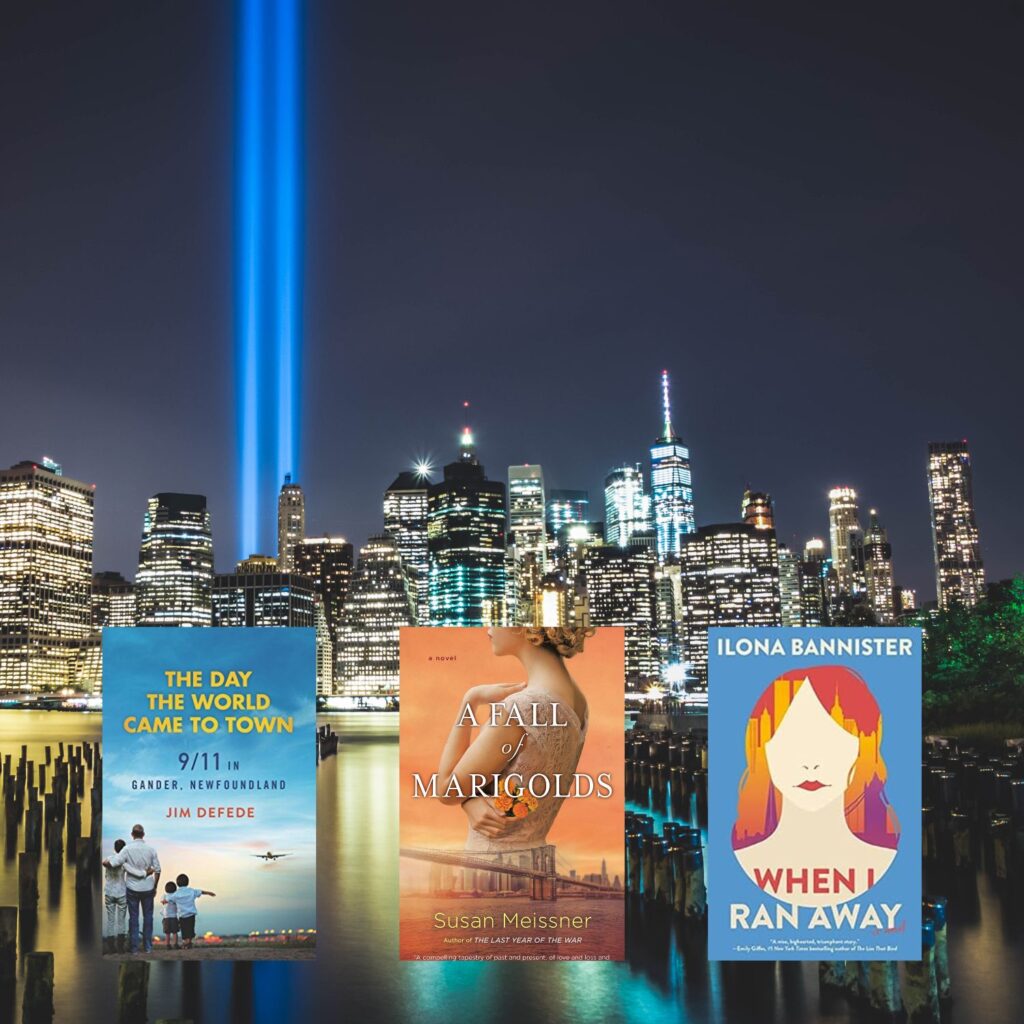
Dust Bowl/Great Depression & 9/11
While you’ll get a great overview of history by following just the 6 main prompts, we do have two additional lists that highlight pivotal moments.
Get the Printable Tracker
Social Sharing Templates
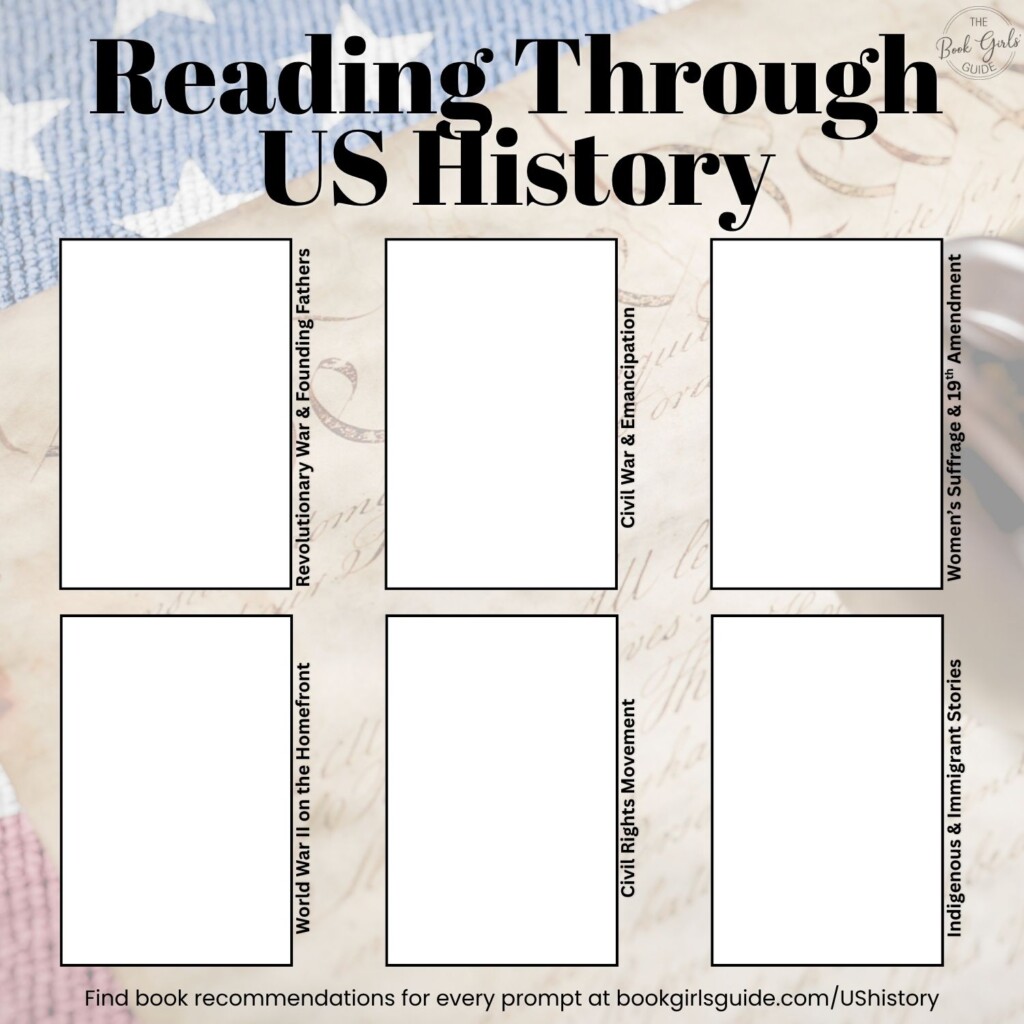
We’ve created two templates for this challenge. Each is available as a Canva Template or as an image file that you can use in any editing program!
SQUARE: Canva Template | Download JPG
9:16 FOR STORIES: Canva Template | Download JPG
Other Book Recommendations You May Enjoy
- Revolutionary Reads: 22 Books About America’s Founding
- Reading Through 250 Years of U.S. History
- Books Set in the 1930s
- 27 Historical Fiction Books About Women in STEM
- Books Set in the 1920s
- The Best WWII Historical Fiction About the Resistance
- The Helpers: Historical Fiction About WWII Humanitarian Heroes
- 29 Great WW1 Historical Fiction Novels
- Books Set in the 1900s and 1910s
- Books that Span Multiple Decades