 Play 2026 Book Bingo
Must-Read Books About the Civil War & Reconstruction Era
 By: Angela & Melissa
Updated:
As an Amazon Associate and member of other affiliate programs, we may earn a referral fee from qualifying purchases.
By: Angela & Melissa
Updated:
As an Amazon Associate and member of other affiliate programs, we may earn a referral fee from qualifying purchases.The Civil War and Reconstruction era continue to shape how we understand the nation today. While some of the battles and political figures are widely known, there’s so much more beneath the surface. We love exploring history through the pages of books, so we’ve curated a compelling list of historical fiction and nonfiction reads set during the Civil War and the years that followed.
Whether you’re interested in biographies of figures like Abraham Lincoln and James Longstreet or immersive novels that highlight the experiences of women, formerly enslaved individuals, and families rebuilding their lives, these books offer engaging ways to explore one of the most transformative periods in American history.
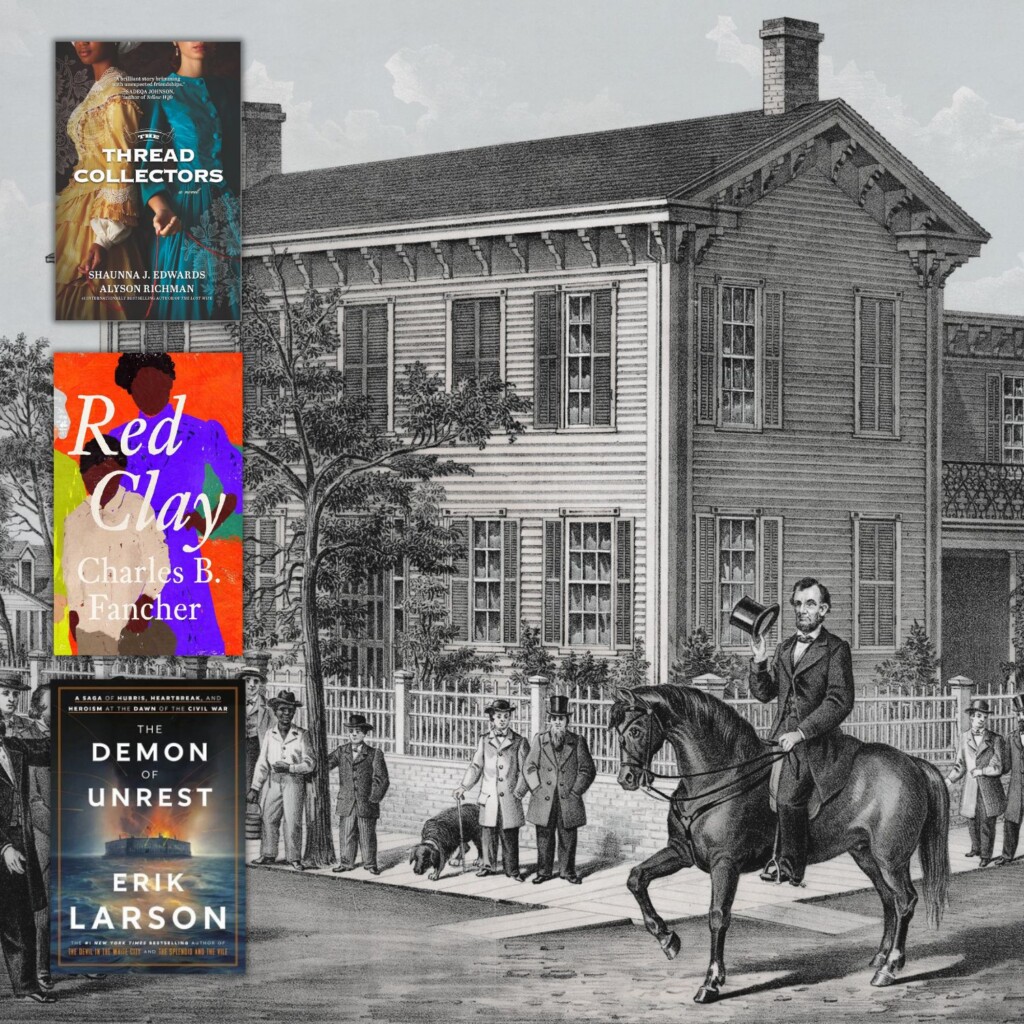
Best Civil War Historical Fiction Books
Note that the books on this list contain many difficult topics, including offensive language that is unfortunately accurate to the time period. If needed, please check trigger warnings before making your final selection.
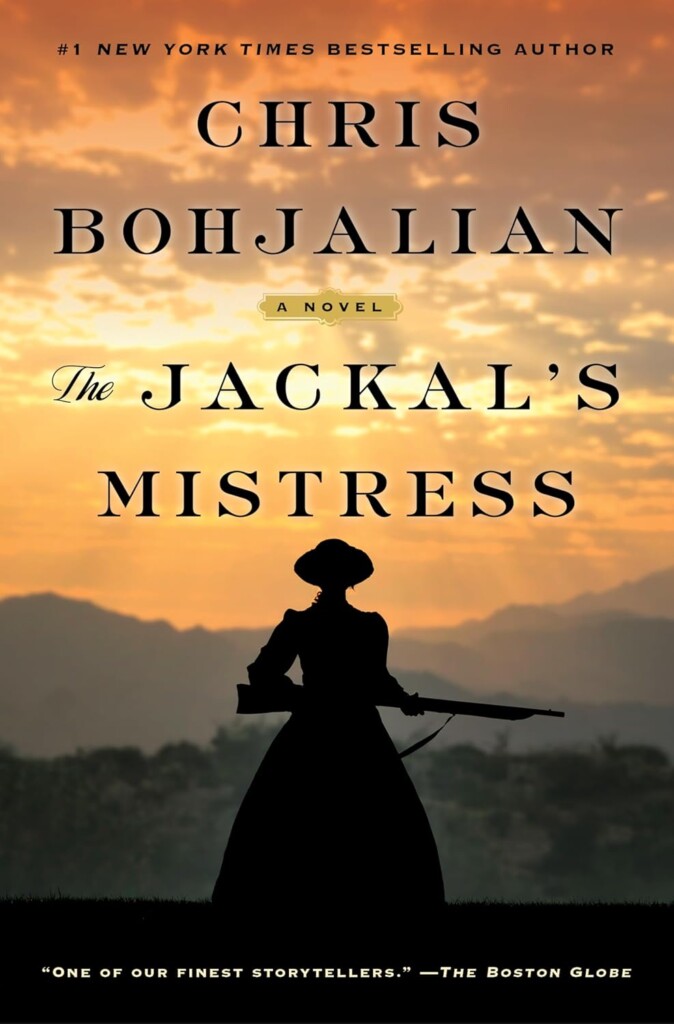
The Jackal’s Mistress
Book Summary
Libby’s husband has been gone so long that she fears he’s in a Union prison camp. She barely has time to worry about this during the day because she’s running a grain mill with her teenage niece, a hired hand, and his wife. The Confederate Army is requisitioning everything they produce. The Shenandoah Valley around them keeps changing hands from North to South and back again, and each day, she fears waking to a battle at her front door.
One day, she finds a gravely injured Union soldier at her neighbor’s house. While Captain Jonathan Weybridge of the Vermont Brigade should be her enemy, she’s aware that he’s also human. But is saving him worthy of the risk? She could be charged with treason. On the flip side, maybe she could trade him for her husband?
Inspiration for This Novel
A real-life friendship across enemy lines inspired this novel. The author first learned of this story way back in 2002 and wrote about it for Reader’s Digest before expanding it into this full-length novel in 2025.
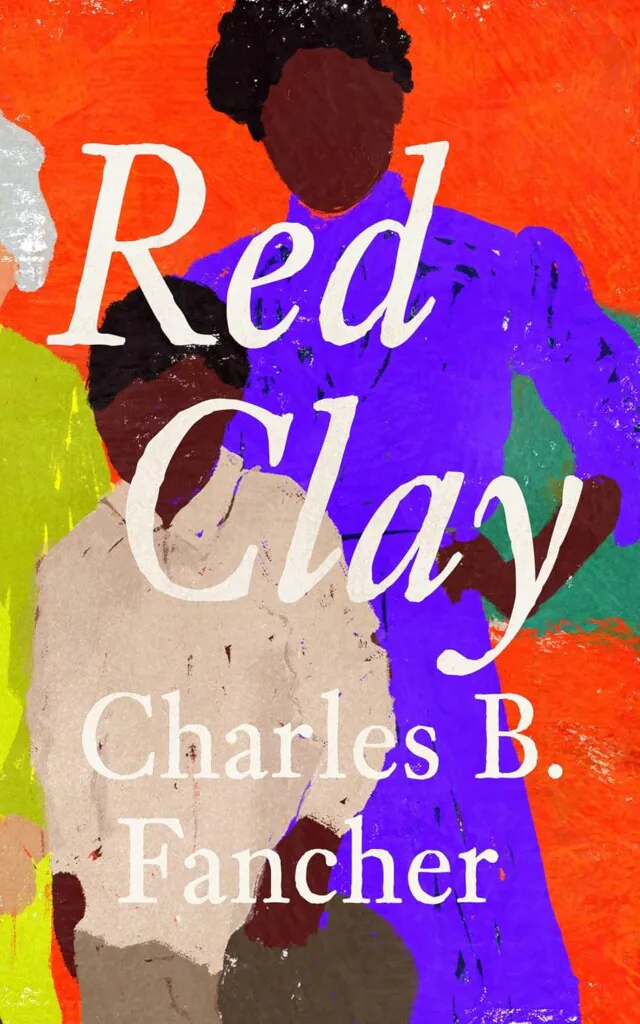
Red Clay
Book Girls’ Readers Rate This Book
100% Would Recommend to a Friend
Book Summary
This multigenerational saga traces the interwoven lives of an enslaved Black family and their white owners as the Civil War ends and Reconstruction begins.
In 1943, a frail old white woman named Adelaide Parker shows up in Red Clay, Alabama, on the morning of the funeral for a Black man named Felix H. Parker. His family doesn’t know what to expect after she utters the words, “…a lifetime ago, my family owned yours.” Adelaide has a story to tell, but there are gaps in her knowledge, and she’s come to Red Clay to reconnect with the family she shares a history with, a history neither knows in full. A history filled with ambition, betrayal, violence, and redemption.
As the story unwinds, it takes readers from Alabama to Paris, and from the Côte d’Azur to New Orleans. Secrets are exposed, and the line between good and evil becomes even more difficult to discern.
This novel lays bare the ugliness of slavery, the uncertainty at the end of the Civil War, the optimism of Reconstruction, and the pain and frustration of Jim Crow.
About the Author
Author Charles B. Fancher draws upon his own family history to weave together this tale of triumph over adversity, illustrating both seasons of joy and unspeakable pain.
Born six years after the death of his great-grandfather, Charles didn’t know much about his ancestor until the 2020s, when his mother began to share stories about the man born into slavery on an Alabama plantation who proceeded to build a life for his family in the post-Reconstruction South. According to an article in The Atlanta Journal-Constitution, after his mother encouraged him to write about his great-grandfather, he returned to their ancestral home to interview residents and learn more about his history.
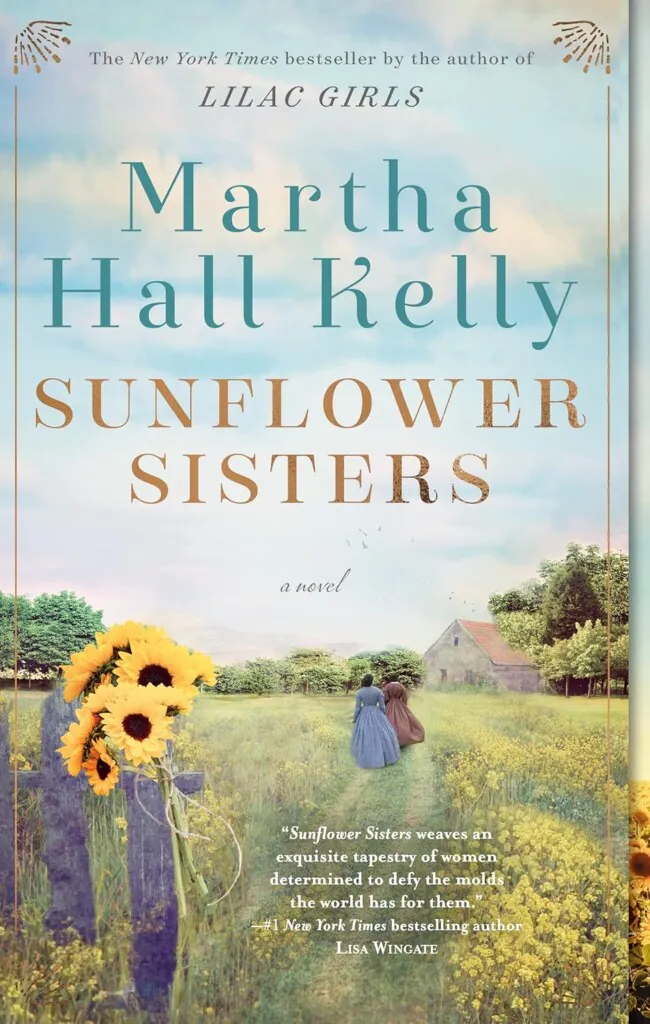
Sunflower Sisters
Book Summary
Georgeanne “Georgey” Woolsey was born into a rich world of lavish parties and demure women, but she does not fit in with this fancy lifestyle. As the Civil War ramped up, she followed her passion for nursing. She and her sister, Eliza, join the war effort and end up in Gettysburg, where they glimpse the horrors of slavery.
Jemma and her sister Patience are enslaved on neighboring plantations in Maryland, but Jemma has just been sold by her cruel plantation mistress, Anne-May. When the Union Army comes to town, she sees it as her only opportunity to escape.
When Anne-May’s husband joins the Union and her brother joins the Confederacy, she is left to run Peeler Plantation. When she follows her own ambitions, she’s drawn into a secret Southern network of spies, finally exposing herself to the fate she deserves.
Historical Context
Maryland was an extremely divided state during the Civil War, with many disagreeing about whether they should join the North or the South. This novel, which was inspired by true accounts, takes us directly into one of the divided households.
Reads As a Standalone
While this is listed as book #3 in the Woolsey-Ferriday series (which started with Lilac Girls) the stories are not chronological. This book features an ancestor of Caroline Ferriday, the American philanthropist in Lilac Girls. You can pick up Sunflower Sisters without having read the first two books in the series.

Things Past Telling
Book Summary
Maryam was born in West Africa in the mid-eighteenth century and defied all odds, living for more than 100 years. When she is eleven, she makes the treacherous Atlantic crossing, which includes her ship being taken by a pirate. Despite eventually being captured and enslaved, she is able to learn midwifery from a Caribbean woman. Her much-needed skills allow her to briefly cross the racial and class barriers of her enslavement.
As the decades of her life pass and she experiences incredible highs and lows, Maryam, also known as “Momma Grace,” never loses her sense of self.
This book is largely set during the Reconstruction era as Maryam is building a new life for herself in New York City.
Background of the Novel
The character of Maryam is inspired by a 112-year-old woman the author discovered while looking at the 1870 census for Ohio. She loosely based this book on her real female ancestors.
The Thread Collectors
Book Summary
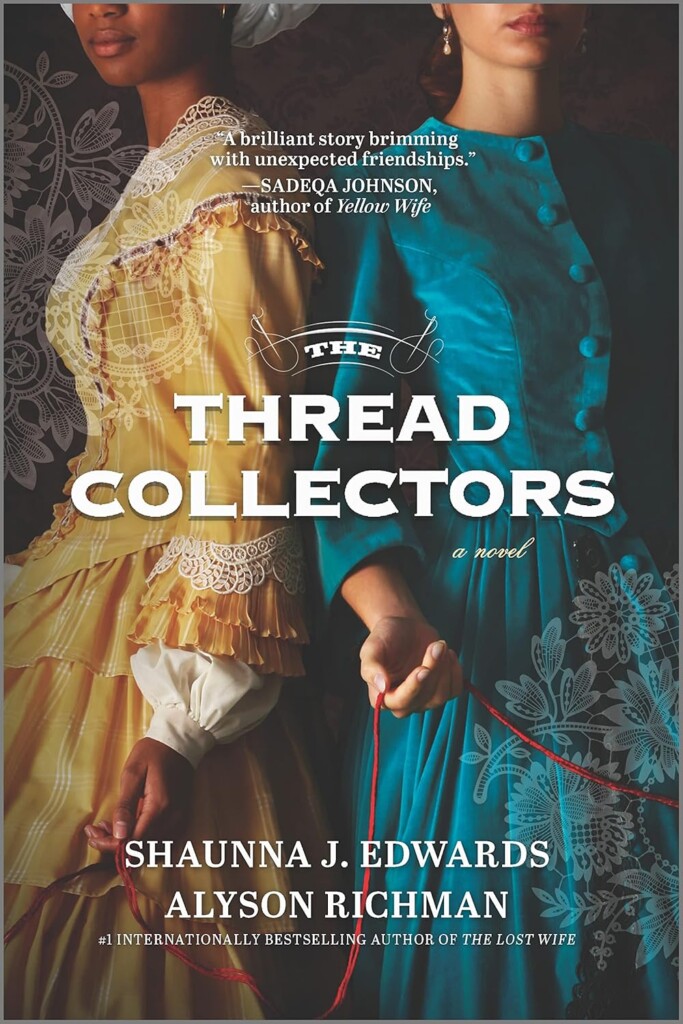
During the Civil War, a young Black woman named Stella embroidered maps onto cloth in her small Creole cottage in New Orleans. The maps helped enslaved men flee to the North and join the Union Army. Her activities were risky because she was bound to a man who would kill her if he discovered her maps. To complicate matters further, her true love is William, a Black soldier and a brilliant musician.
In New York City, a Jewish woman named Lily attends abolitionist meetings, rolls bandages, and crafts quilts. She’s working on a quilt for her husband, who is stationed in Louisiana with the Union Army. When months go by without hearing from him, she decides to make the perilous journey South to find him.
Inspiration For the Book
Shaun J. Edwards and Alyson Richmond are longtime friends whose collaboration as co-authors grew out of a shared conversation about their own family backgrounds. The Thread Collectors is their first novel together, which draws on their unique perspectives – Richman’s background as a best-selling historical novelist, and Edwards’ family connections to the Civil War.
When the Jessamine Grows
Book Summary
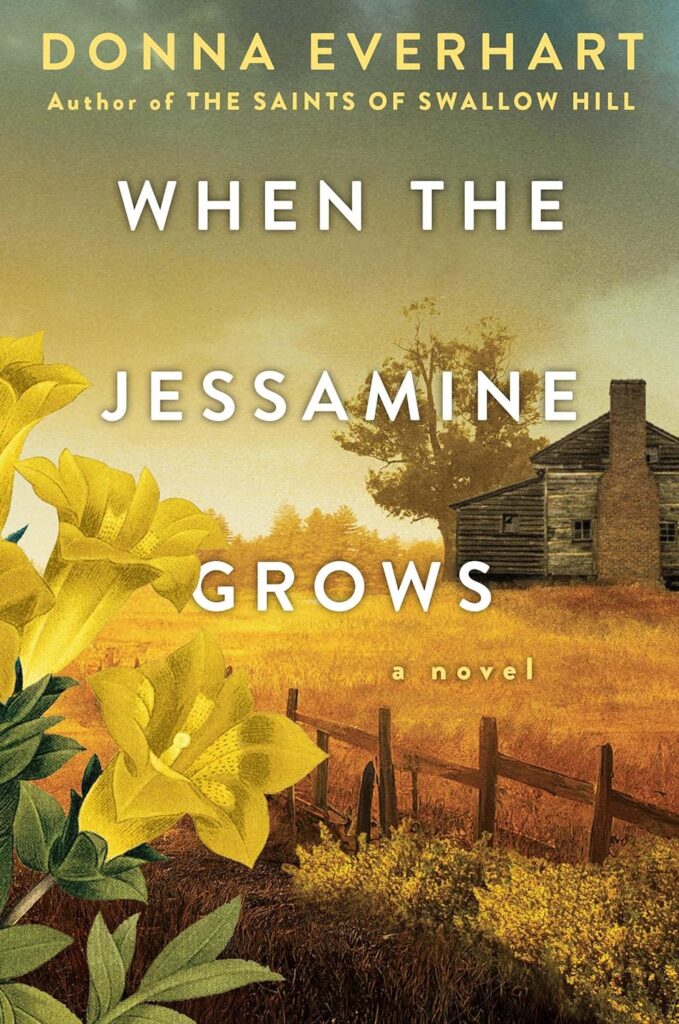
Joetta tends a small farm in North Carolina with her husband, Ennis, and their two sons. It provides all they need, and she’s ignoring the growing call for war. She considers her family to be neutral in the matter.
However, her father-in-law, Rudean, is a staunch Confederate, and his stories have convinced her 15-year-old son, Henry, to leave home and join the fight. Joetta insists that Ennis go find their son and bring him home.
Weeks pass with no word from father or son, and hungry soldiers from both sides show up at the farm looking for a meal. Joetta considers it her duty to offer food and shelter to all, which causes a backlash in town. However, she is committed to her beliefs and refuses to throw her support to the Confederacy. But will she be able to stand up to the pressure of those around her?
Yellow Wife
Book Girls’ Readers Rate This Book
100% Would Recommend to a Friend
Book Summary
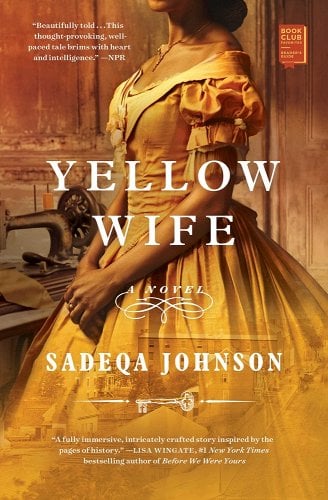
As the light-skinned daughter of a plantation owner and an enslaved woman, Pheby escaped much of the brutality of slavery as a child. Her white father even promised her freedom for her 18th birthday. However, instead of freedom, she is sent to Devil’s Half-Acre by her father’s wife. This jail is where slaves are broken, tortured, and sold every day.
Within the jail, Pheby was groomed to be the personal mistress of slave trader Rubin Lapier. She becomes his sex slave, “wife,” and the mother of his children. Eventually, she faces the ultimate sacrifice to protect her heart as she fights for freedom.
Historical Context
Devil’s Half-Acre, also known as Lumpkin’s Jail, was a real place located only three blocks from the state capital in Richmond, Virginia. The character Pheby is based on the true story of Mary Lumpkin, who was forced to “marry” the jail owner, Robert Lumpkin.
Yellow Wife was a 2021 Goodreads Choice Nominee for Best Historical Fiction.
The Tubman Command
Book Summary
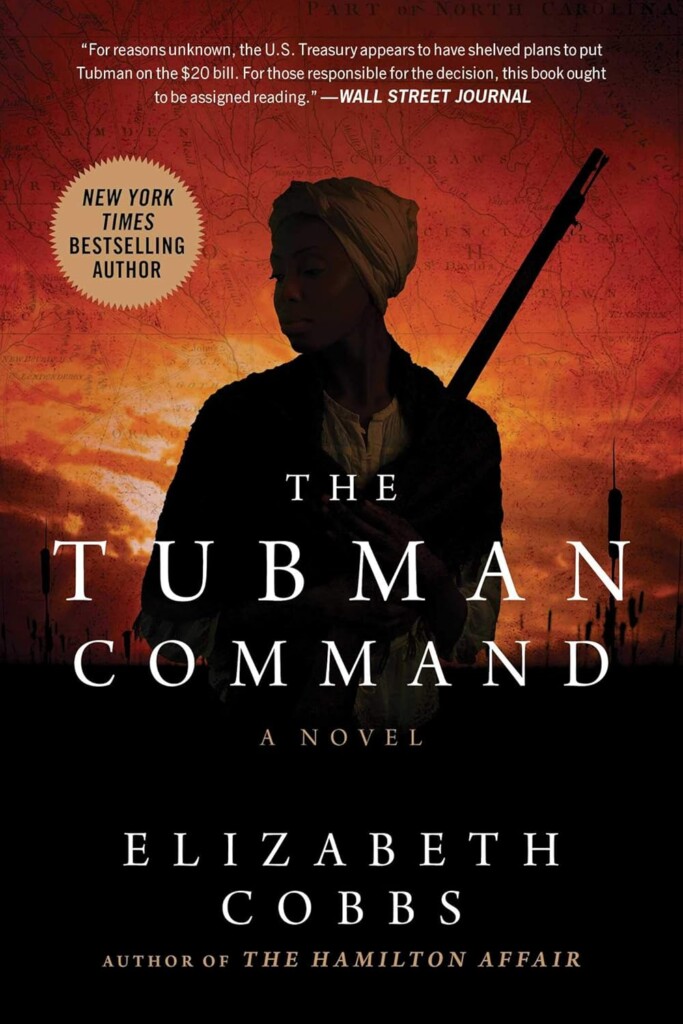
You know Harriet Tubman for her role as the lead “conductor” of the Underground Railroad throughout the 1850s. This historical fiction novel focuses on a lesser-known chapter of Harriet Tubman’s life: her service as a nurse, cook, scout, and spy for the Union Army in 1863 Beaufort, South Carolina.
Operating under the code name “Moses,” Tubman is tasked by Union General David Hunter with plotting the Combahee River Raid, This daring plan would bypass Confederate defenses, liberate hundreds of enslaved people, and recruit them as Union soldiers. In order to pull it off, she’ll have to outwit overseers, slave catchers, sharpshooters, and even alligators. There are even hostile Union soldiers who stand in her way.
All the while, Tubman is facing personal emotional struggles—including her separation from her husband and her attraction to a fellow scout.
This novel paints an inspiring portrait of a woman who, once again, risked everything for freedom.
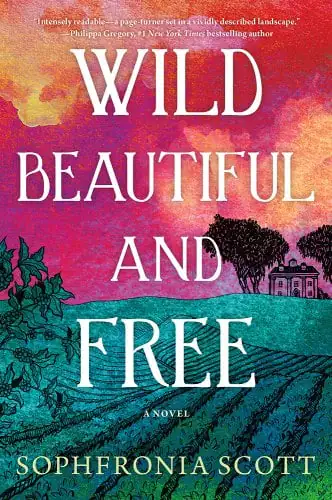
Wild, Beautiful, and Free
Book Girls’ Readers Rate This Book
100% Would Recommend to a Friend
Book Summary
Jeannette was born on a Louisiana plantation to an enslaved woman and a white man. She’s raised alongside her white half-sister. When her father dies suddenly, his wife refuses 12-year-old Jeannette her inheritance and sells her into slavery in Mississippi before the onset of the Civil War.
Jeannette escapes enslavement and travels to Philadelphia, then New York and Ohio, all in search of purpose, love, and her place in the country. She meets the proprietor of Fortitude Mansion, a safe haven for escaped slaves, where she teaches for a time. But when she no longer feels that she belongs there, she must once again continue on her journey of self-discovery.
What to Expect in This Book
This novel is a reimagining of Jane Eyre set before the Civil War, but you don’t need to be familiar with this classic to enjoy Wild, Beautiful, and Free. Some reviewers found portions of this book a bit too contrived or convenient, but many others find it deeply moving with a satisfying ending.
While this novel deals with extremely difficult topics, readers say that Sophfronia Scott also weaves stories of love and hope in a way that keeps the book from being depressing.
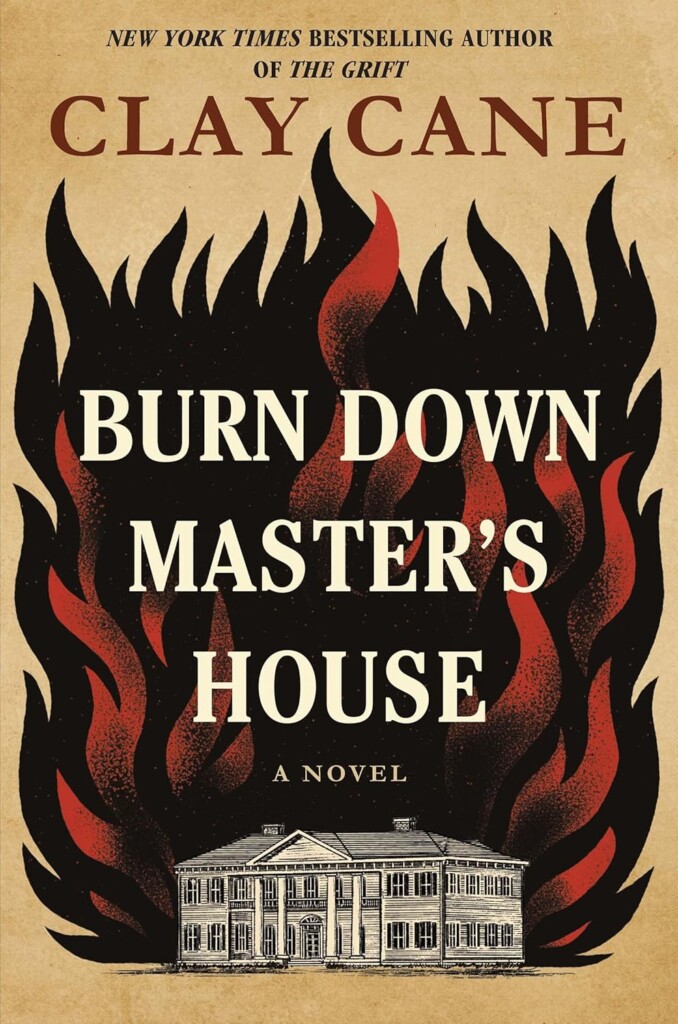
Burn Down Master’s House
Book Summary
Inspired by true stories, this novel is told as four interconnected stories that center on Magnolia Row, a fictional Virginia plantation. Luke and Henri are determined to escape the unimaginable cruelty that surrounds them every day, and they find a way to leave their mark.
The actions of Luke and Henri spur future uprisings, including those of Josephine, a young girl; Charity, who fought for her freedom but still battles an unjust system; and Nathaniel, a Black enslaver.
What to Know Before Reading
Keep in mind that it’s an extremely tough read at times, and the author doesn’t shy away from brutal truths, including topics of rape, torture, and more horrific dehumanizing scenes. However, readers say it’s also a story of resistance and resilience.
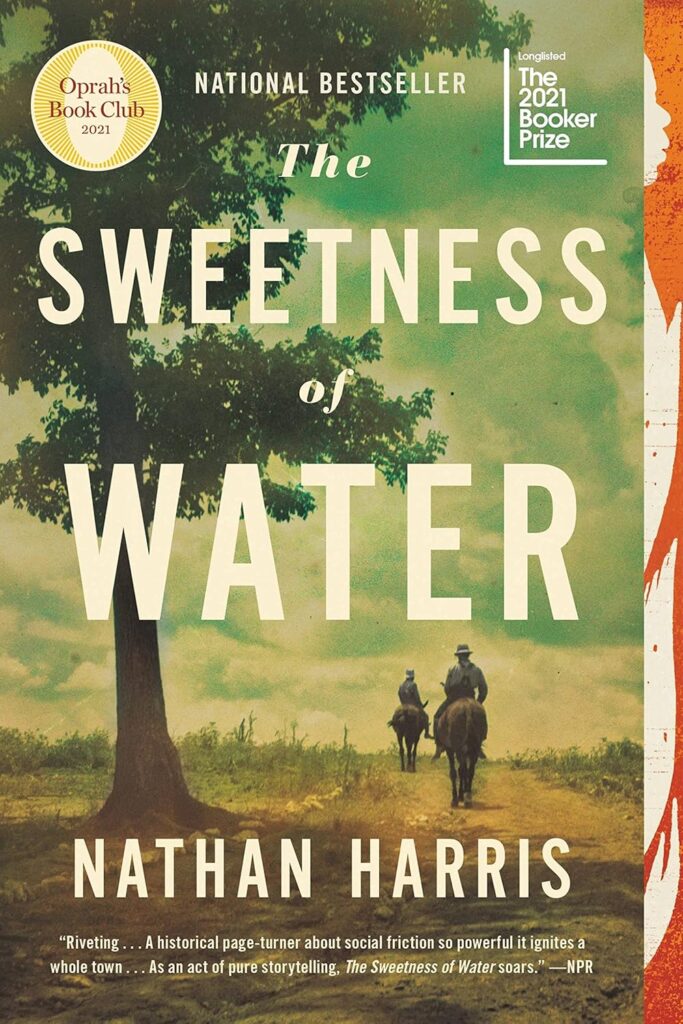
The Sweetness of Water
Book Summary
This historical fiction novel is set in Rural Georgia in the waning days of the Confederacy. When the war ends, George Walker and his wife, Isabelle, strive to rebuild their lives on a struggling farm while adjusting to a radically changing world. Their quiet routine is disrupted when they hire two formerly enslaved brothers, Prentiss and Landry, offering them paid work and a place to stay.
As the four forge an uneasy but meaningful connection, tensions rise in the surrounding community, where resentment and fear simmer beneath the surface. Meanwhile, a forbidden romance between two Confederate soldiers unfolds nearby, adding another layer of danger in a society resistant to change.
Through intersecting lives, the novel explores the fragile transition from war to peace. It is Isabelle who emerges as the unlikely leader, proffering a healing vision for the land and for the newly free citizens of Old Ox.
Praise for This Book
In addition to being longlisted for the Booker Prize, The Sweetness of Water was a Goodreads nominee for Readers’ Favorite Historical Fiction and Readers’ Favorite Debut Novel. It was also selected as an Oprah Book Club pick.
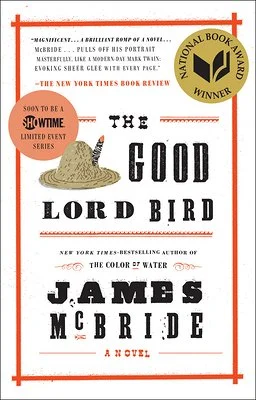
The Good Lord Bird
Book Girls’ Readers Rate This Book
90% Would Recommend to a Friend
Book Summary
The Good Lord Bird is a unique work of historical fiction that offers a fresh and sometimes humorous perspective on the abolitionist movement and the notorious John Brown. The novel tells the story of Brown and Henry Shackleford, a young enslaved boy who is nicknamed “Onion” by Brown after he is mistaken for a girl.
Onion joins Brown’s ragtag army, which is preparing to raid the federal arsenal at Harper’s Ferry in 1859. Along the way, Onion witnesses the horrors of slavery and the violence of Brown’s abolition campaign firsthand. Despite its serious subject matter, The Good Lord Bird is also a coming-of-age story that follows Onion’s journey of self-discovery.
Historical Context
John Brown was one of the most significant abolitionist figures leading up to the Civil War, and the events depicted in this novel, including Bleeding Kansas and the lead-up to Harpers Ferry are critical to understanding how the war began.
Format Recommendation & TV Adaptation
Readers note that the audiobook narrator is fabulous, so be sure to listen if you have a chance! There is also a Showtime TV adaptation of the book starring Ethan Hawke and Joshua Caleb Johnson.
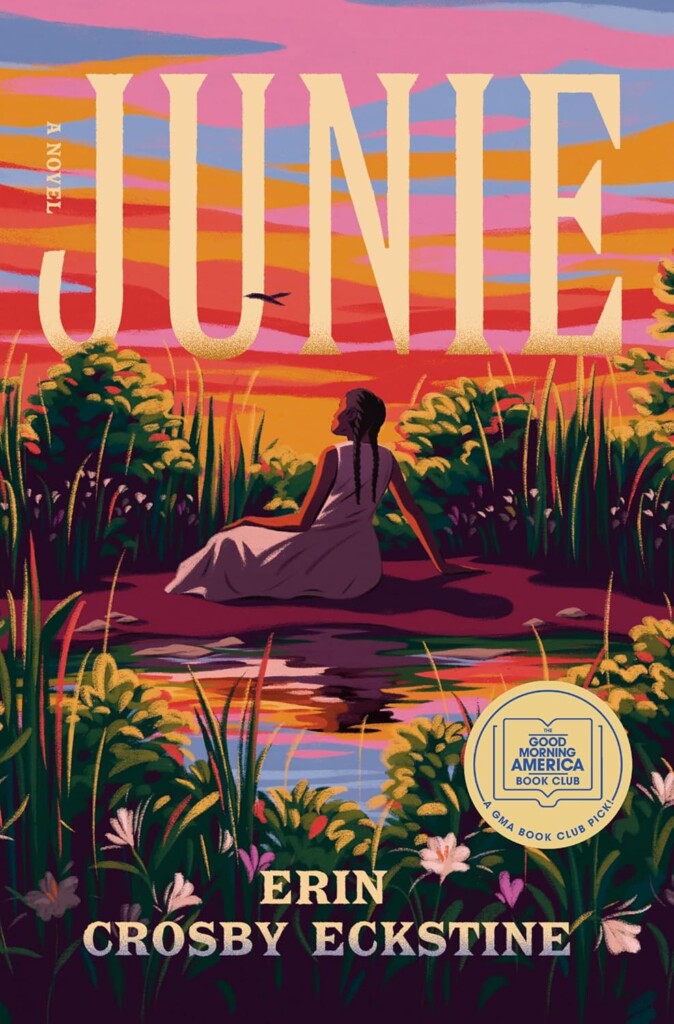
Junie
Book Summary
Junie has spent all of her 16 years enslaved n the Bellereine Plantation in Alabama. She cooks, cleans, and tends to the white master’s daughter, Violet. While she works, she dreams of poetry and a world outside her own, but at night, she’s overcome by grief due to the loss of her older sister, Minnie.
When the family has wealthy guests in town who hint at a marriage for Violet, which would upend Junie’s life, she does something to rouse Minnie’s spirit from the grave. When she needs help, she enlists the guest’s coachman, Caleb, who becomes a friend…then more. As the Civil War approaches, she realizes the dark truths and horrifying secrets about the Bellereine Plantation, and she begins to push back against her old life.
What to Expect in This Book
While the author’s real family history inspired this book, it also incorporates elements of magical realism, as Minnie’s ghost tasks Junie with completing three missions related to family secrets and Minnie’s own fate.
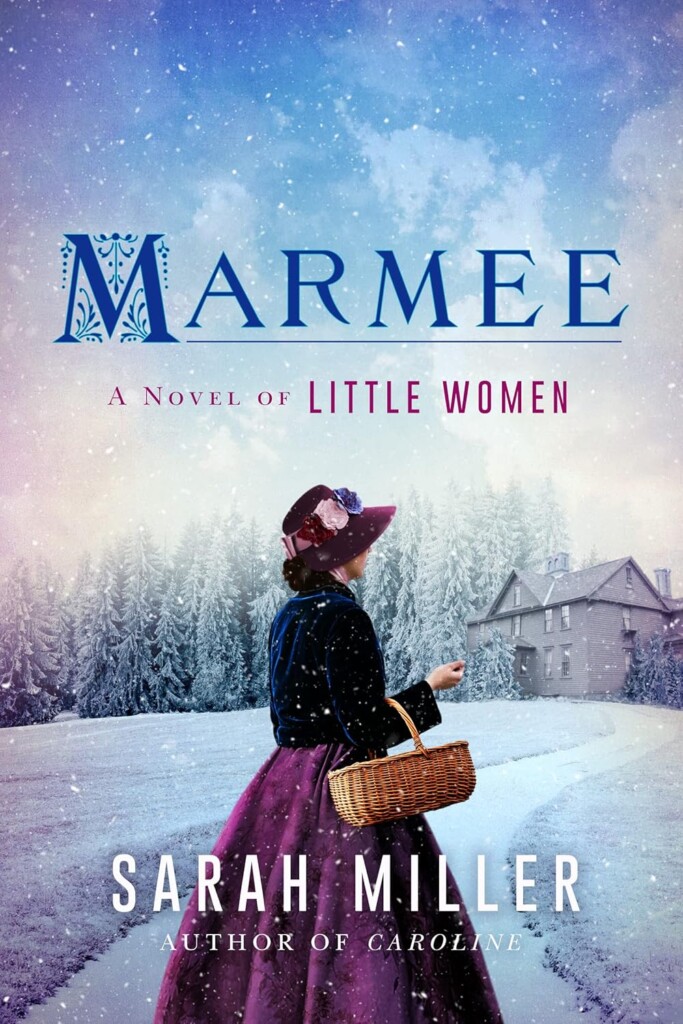
Book Summary
This retelling of Little Women is told from the perspective of the family matriarch, Margaret “Marmee” March. With the Civil War raging in the South, and her husband is away serving as an army chaplain, back home in Massachusetts, Margaret is solely responsible for their four daughters. Each month, her husband sends a little less money home than he did the month before, so the finances are getting increasingly tight. Between that and the disastrous mistake she made years earlier, their financial hardship threatens her daughters’ chances of getting an education.
Even with all her family responsibilities, Margaret longs to do more to support the war effort and other families struggling more than hers. Living by her motto, “Hope and keep busy,” she fills her days with charity work to keep her mind off her worries.
Margaret receives a telegram from the War Department calling her to her husband’s bedside in Washington, D.C., but while she’s away whe receives another telegram alerting her that Beth has fallen dangerously ill. This forces her to confront the possibility that the price of her own generosity toward others might be her daughter’s life.
A Note on Format
This retelling from Margaret’s perspective is told in an epistolary format through her diary entries. Readers say that even though the story mirrors Little Women and you know what’s going to happen, seeing the story of her daughters through their mother’s eyes is a whole new experience.
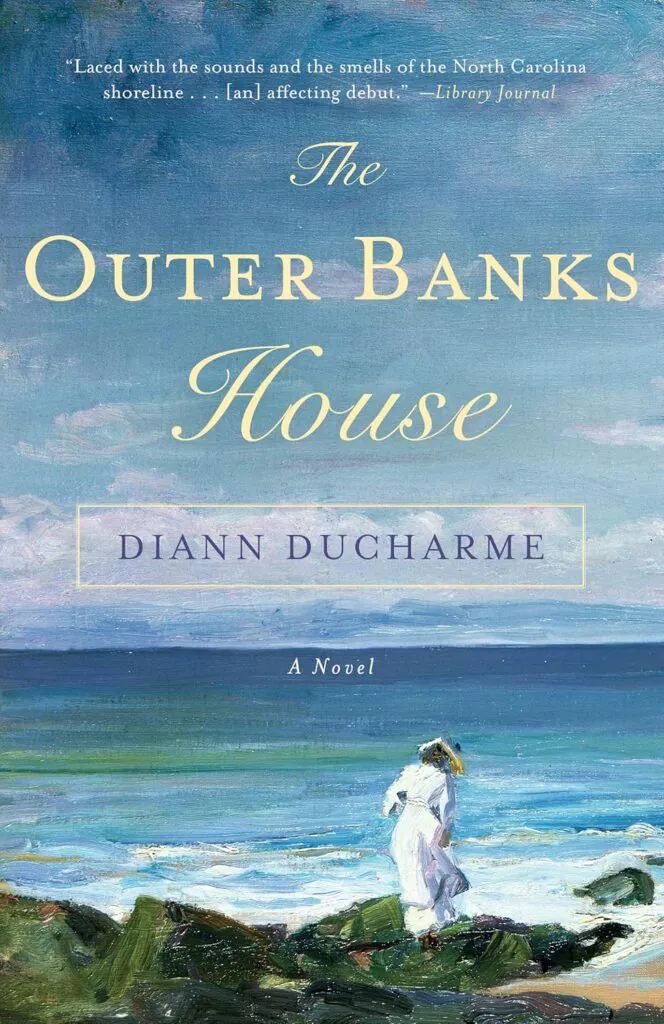
The Outer Banks House
Book Summary
With the wounds of the Civil War just beginning to heal, the once-wealthy Sinclair family moves to the Outer Banks of North Carolina for the summer. They take up residence at one of the first cottages on the ocean side of the resort village of Nags Head.
Seventeen-year-old Abigail is beautiful and book smart, but she’s been sheltered by plantation life. To make use of her time on the quiet island, her family encourages her to teach her father’s fishing guide, Benjamin Whimble, how to read and write. There on the porch of the cottage, Abby and Ben fall deeply in love.
But when, in direct opposition to everything he claims to represent, Ben becomes entangled with Abby’s father’s Klu Klux Klan work, a terrible tragedy and surprising revelations threaten to tear them apart for good.
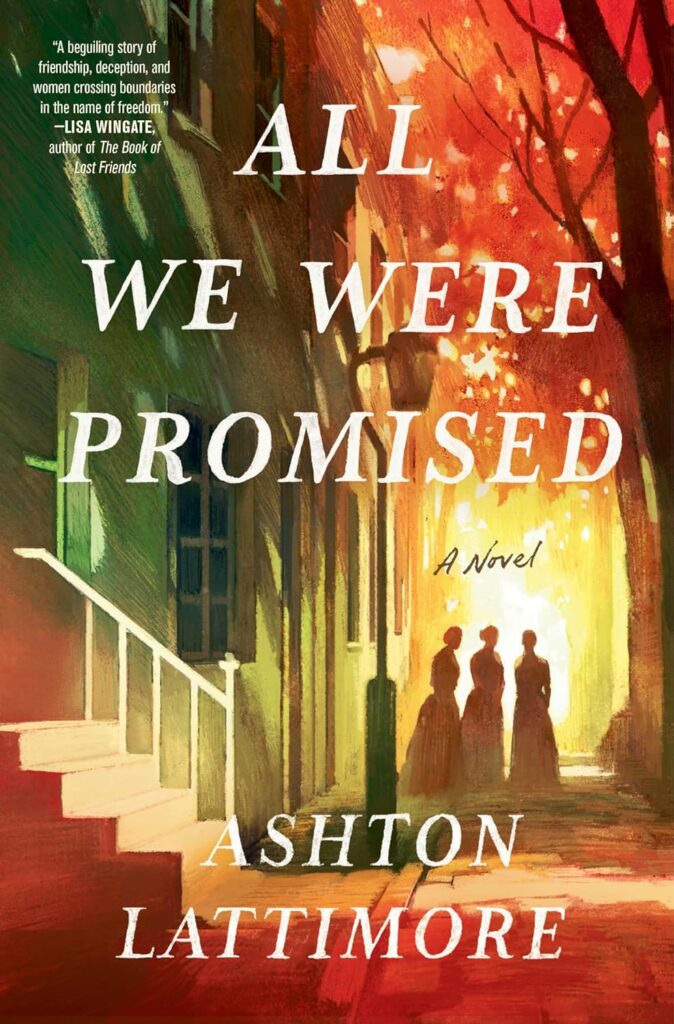
All We Were Promised
Book Summary
Charlotte escaped from the White Oaks tobacco plantation in Maryland and made her way north to Pennsylvania. At the plantation, she was enslaved as a housemaid, and she expected freedom to feel different. But in Philadelphia, she acts as a servant to her white-passing father. The two of them must be very careful to hide their identities from the slavecatchers who would destroy their new lives.
Charlotte can finally begin to envision a different future for herself after she befriends Nell, a budding abolitionist from a very wealthy Black family.
When Evie, a friend from White Oaks is brought to Philadelphia by the plantation mistress, what is Charlotte willing to risk to help her escape? Charlotte and Nell conspire to rescue Evie, but with the city embroiled in race riots, their fight for Evie’s freedom could end up costing them their own.
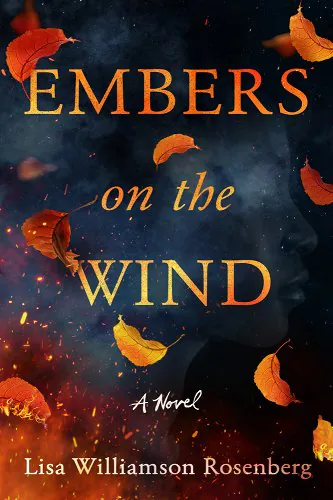
Embers on the Wind
Book Summary
This book weaves together a haunting tale of past and present. In 1850 Massachusetts, Whittaker House was a stop on the Underground Railroad. Sadly, some people seeking freedom didn’t make it out alive – including Little Annie and Clementine.
More than a century and a half later, Whittaker House is now a vacation rental in the Berkshires. But many of those who visit the house are not there merely as tourists – they are contemporary Black women struggling to reconcile the legacy of slavery.
This haunted story is described as the perfect mix of history and paranormal suspense.
Thoughts on This Book
This is a short novel at just over 200 pages, but it covers a lot of ground – with many shifting points of view and storylines. If you prefer books written in a linear style, this one might not be a good pick for you.
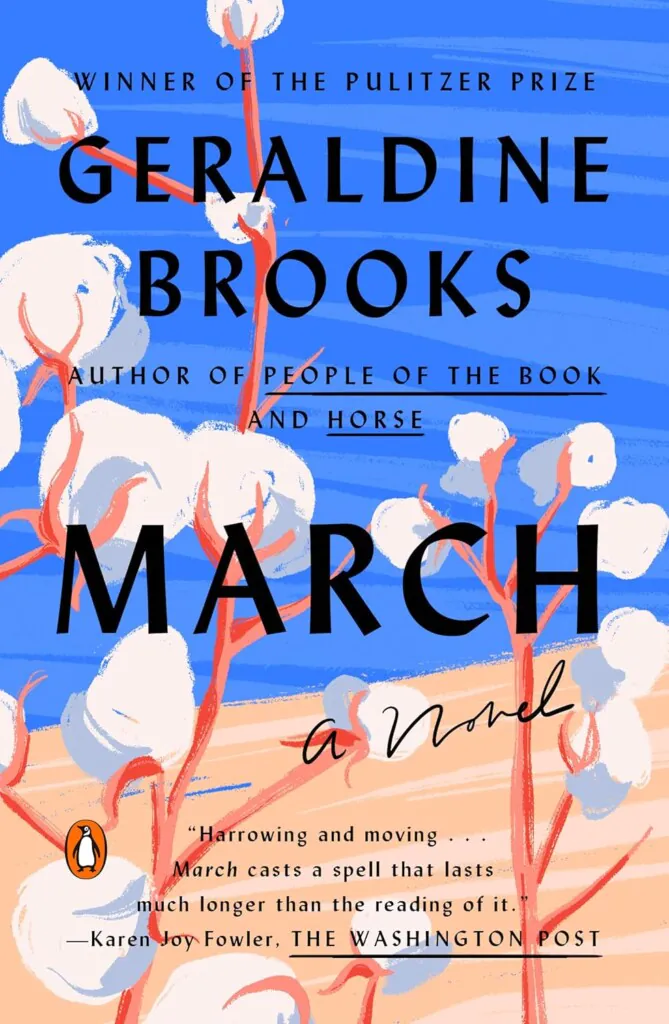
March
Book Summary
This unique retelling of Louisa May Alcott’s Little Women is told from the perspective of Mr. March, the mysterious and absent father from the classic novel. In March, Mr. March leaves his wife and daughters to serve as a chaplain in the Union army duing the Civil War where his experiences test his faith in both the Union and himself.
After recovering from a near-fatal illness, Mr. March must reassemble and reconnect with his family.
Thoughts on This Book
We’ve enjoyed every Geraldine Brooks novel we’ve read, but our readers didn’t love this one as much as expected when they read it for our Retellings prompt in the Book Lovers’ Challenge.
In the afterword to this novel, Brooks explains that Louisa May Alcott based the characters in Little Women on her own family. Using this as a jumping-off point, Brooks concludes that Mr. March, absent in Little Women, could likely have also been based on Alcott’s father, Bronson. Bronson Alcott kept more than 60 journals throughout his life, and 37 volumes of his letters can be found at the Harvard College Library. Drawing upon this source material, Brooks creates a fictionalized version of the March patriarch’s life.
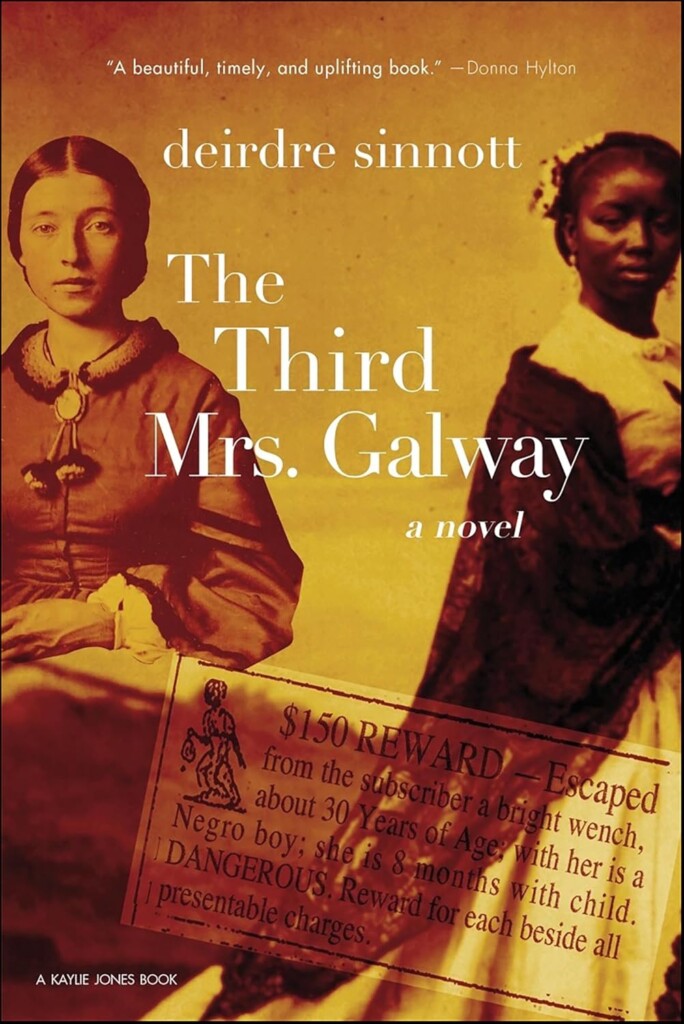
The Third Mrs. Galway
Book Summary
In 1835, young Helen is married off to an older widower, Augustin. She moves in with him, and Maggie, who was formerly enslaved by the Galway family, but was freed when emancipation came to New York eight years earlier.
Despite the legal end of slavery in New York, slave hunters still abound, searching for runaways, and public opinion varies widely on the matter. Although abolitionists are coming to Utica, a stop on the Underground Railroad, for the founding meeting of the New York State Anti-Slavery Society, the anti-abolitionists are equally vocal.
When Helen makes the shocking discovery of two runaway slaves hiding in a shack behind her new home, she has a moral dilemma. Does she report the slaves to her husband like a good wife, or defy convention and protect the vulnerable?
What to Know Before Reading
Well before the war was declared between the North and South, neighbors had very different viewpoints on the morality of slavery, even in states that had already abolished slavery.
This novel includes information on the anti-abolition riots against the New York Anti-Slavery Society, which we were not previously familiar with. So, we believe that while this book doesn’t cover the war itself, it’s worth considering to expand knowledge of this general time period in US history.
Highly Readable Non-Fiction Books About the Civil War
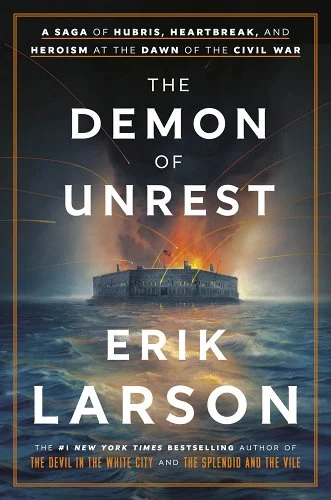
The Demon of Unrest
Book Girls’ Readers Rate This Book
Book Summary
Travel back to 1860 as Abraham Lincoln wins the presidency of a very divided America. Southern extremist states were trying to destroy the Union by seceding one after another. Slavery was a major topic of debate, and eventually the beliefs of both sides focused on one piece of land – Fort Sumter in Charleston.
The Demons of Unrest covers the five-month period between Lincoln’s election in November 1860 and the start of the Civil War in April 1861. In addition to Lincoln, the book teaches us about Major Robert Anderson, Fort Sumter’s commander and a former slave owner sympathetic to the South but loyal to the Union; Edmund Ruffin, a vain and bloodthirsty radical who stirs secessionist ardor at every opportunity; and Mary Boykin Chesnut, wife of a prominent planter, conflicted over both marriage and slavery and seeing parallels between both.
What to Expect in This Book
As with most Larson books, The Demon of Unrest is long at 608 pages. However, despite being non-fiction, he writes about history in a page-turning way. The book is based on real diaries, secret communiques, slave ledgers, and plantation records.
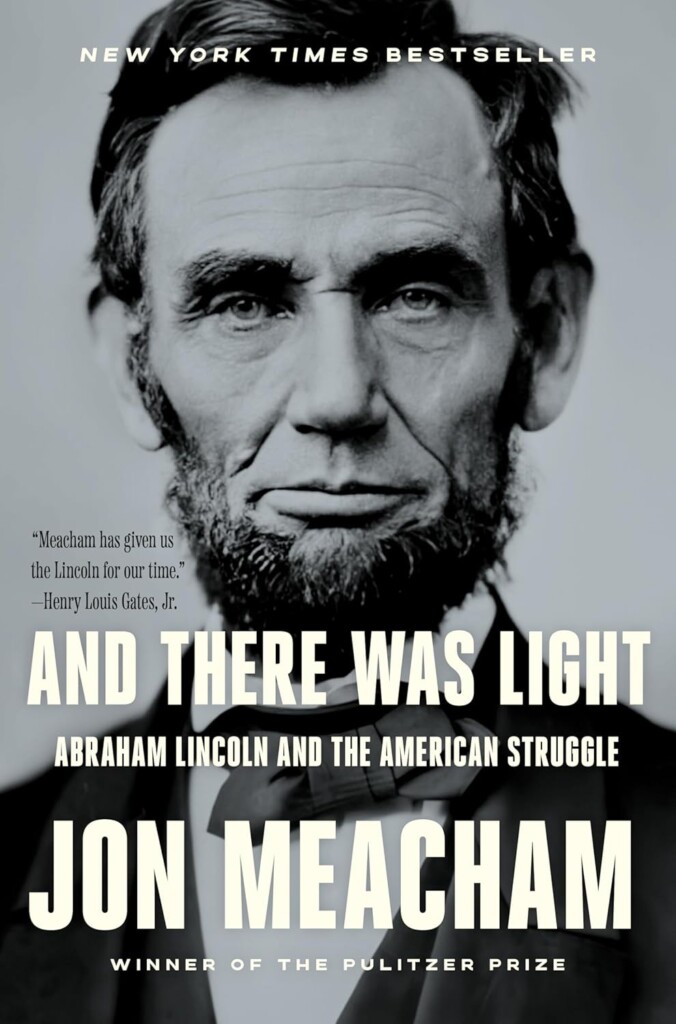
And There Was Light: Abraham Lincoln and the American Struggle
Book Summary
Much has been written about Abraham Lincoln over the years, but this recent biography provides an illuminating new portrait of an imperfect man whose story is inextricably intertwined with that of the United States of America.
Tracing his life story, beginning with his upbringing on the Kentucky frontier all the way to his assassination at Ford’s Theater in 1865, we see not only Lincoln’s rise through self-education, but also his bouts with depression, his political failures, his deepening faith, and his persistent conviction that slavery must end.
This biography is more than just a story of the life of one of our most influential presidents. Reading about a president who governed a divided country also has parallels to the political polarization we see in the 21st century.
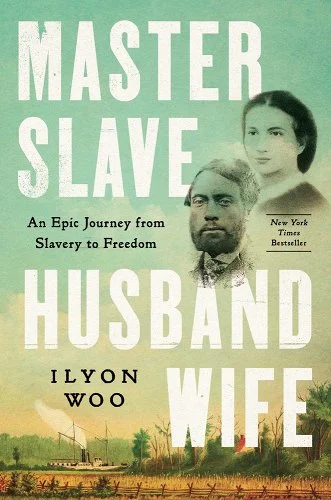
Master Slave Husband Wife
Book Girls’ Readers Rate This Book
95% Would Recommend to a Friend
Book Summary
In 1848, a young enslaved couple, Ellen and William, made a daring escape from slavery. While posing as master and slave, the couple traveled more than 1000 miles on steamboats, carriages, and trains that took them from bondage in Georgia to the free states of the North. Ellen passed as a wealthy, disabled White man while William posed as “his” slave as they dodged slave traders and military officers.
When they found freedom, their story made them celebrities, and many Americans fell in love with the couple. They traveled another 1000 miles, crisscrossing New England, speaking alongside some of the greatest abolitionists, like Frederick Douglass.
However, with the passage of an infamous new Fugitive Slave Act in 1850, all Americans became accountable for returning refugees like the Crafts to slavery. Slave hunters came up from Georgia, forcing the Crafts to flee once again—this time from the United States.
Historical Context for This Book
While this incredible tale sounds fictional, it is a nonfiction biography of Ellen and William Craft, who bravely chased the life, liberty, and justice for all promised by America.
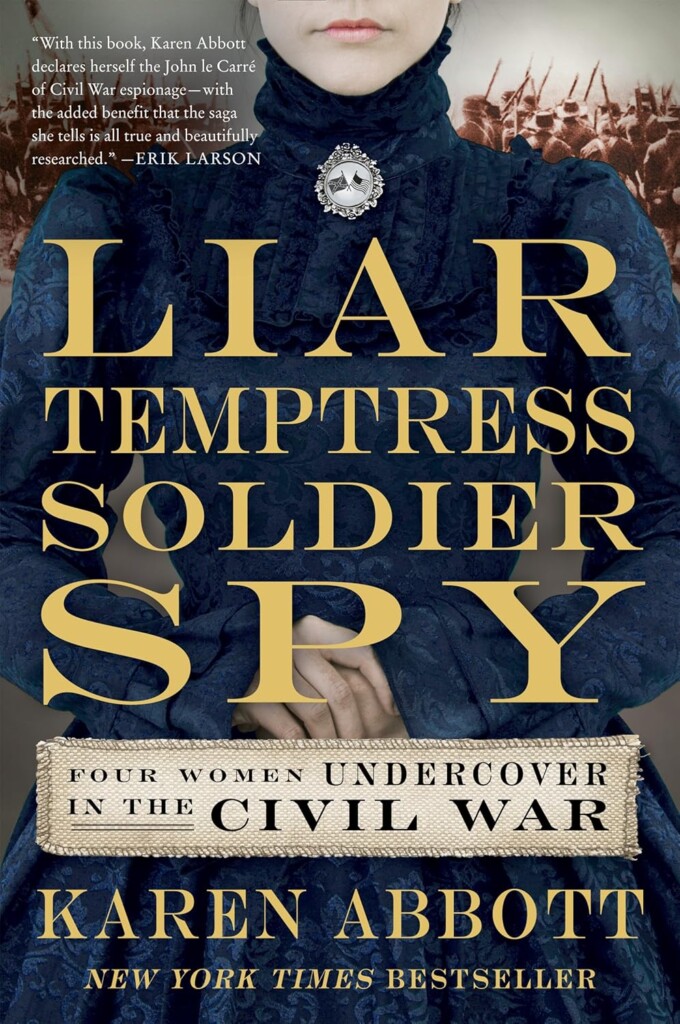
Liar, Temptress, Soldier, Spy: Four Women Undercover in the Civil War
Book Summary
Did you know there were female spies on both sides during the Civil War? Charming Belle Boyd was a courier and spy for the Confederates, Emma Edmonds pretended to be a man to fight for the Union, Rose O’Neale Greenhow gathered intelligence for the Confederates, and Elizabeth Van Lew led an espionage ring for the Union.
The author alternates between the stories of these bold women, including their interactions with more well-known historical figures. Many of the book’s details came from interviews with descendants and the women’s own writings, adding a personal touch to this narrative non-fiction read.
Thoughts on This Book…
This book is on the longer side at 513 pages, and some readers find the story bouncing between four different leads to be a bit confusing. However, our history classes never taught us about the role of women during the Civil War, so we were intrigued by this book. When we read a review that described it as, “A League of Their Own had a lovechild with Shakespeare’s Twelfth Night,” we knew it had to be added to our TBR immediately!
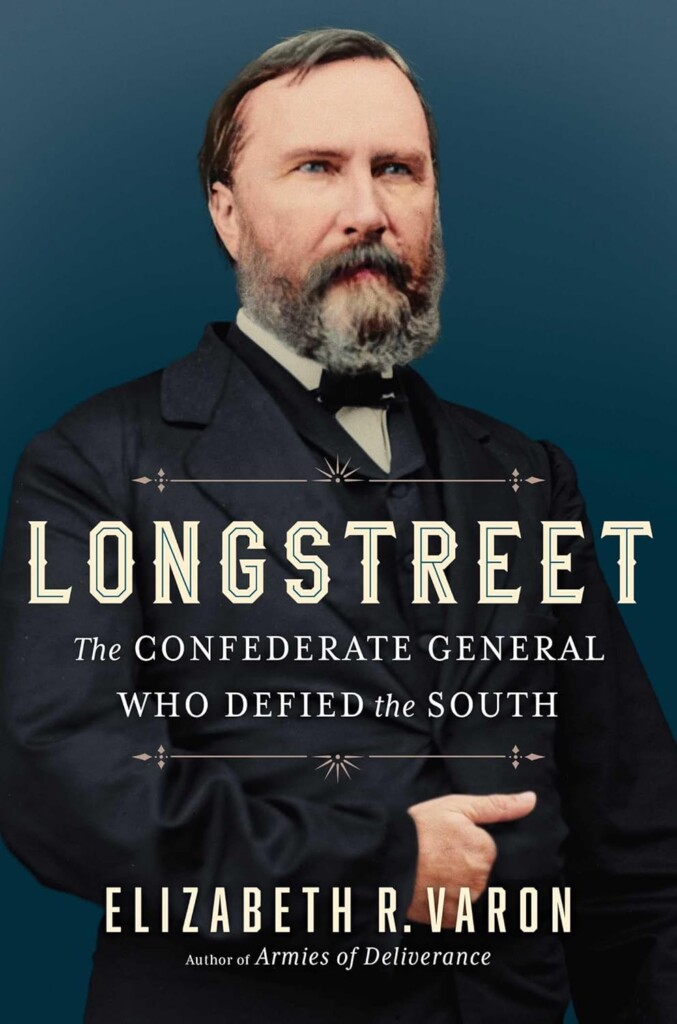
Longstreet: The Confederate General Who Defied the South
Book Summary
This comprehensive biography tells the story not just of James Longstreet’s role as a Confederate General during the Civil War, but also his remarkable post-war transformation.
Biographer Elizabeth Varon argues that Longstreet, driven by personal convictions and his friendship with Ulysses S. Grant, embraced Radical Reconstruction, supporting Black voting rights and interracial political alliances in New Orleans. This defiance turned him into a pariah, with white Southerners blaming him for the Confederate loss at Gettysburg to destroy his reputation, a key part of the “Lost Cause” mythology.
Thoughts on This Book
While this biography references the Civil War throughout, the majority of the book is about General Longstreet’s actions after the war. Readers praise Varon’s writing for offering a balanced look at Longstreet’s life, portraying him neither as all hero nor all villain, both during and after the Civil War.
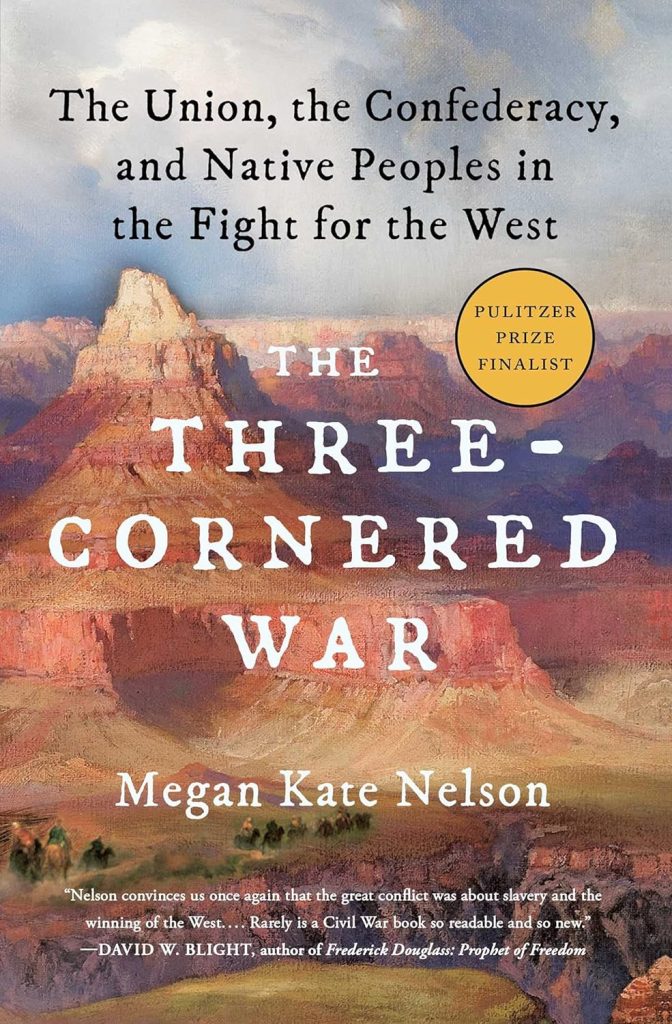
The Three-Cornered War
Book Girls’ Readers Rate This Book
86% Would Recommend to a Friend
Book Summary
This non-fiction book takes you to the American West during the Civil War. While plenty has been written about the South during this period, it wasn’t the only region of conflict. In the territory that later became Arizona & New Mexico, there was a three-sided fight between the Union, the Confederacy, and several tribes, including the Navajo and Apache.
The book shares the history of nine individuals, including a Texas legislator, a Union Army wife, a Navajo weaver, and a gold miner. Each of the nine demonstrates the difference individual actions can make amid a larger battle. The book is based on their letters, diaries, military records, photographs, and more.
What to Know Before Reading
This book was longlisted for the Pulitzer Prize in History (2021). We learned a lot about the region just by researching the book, so it’s a great one if you want to add to your knowledge of US history.
That said, some readers find the book riveting, while others say it reads more like a textbook.
In Honor of the Semiquincentennial
The United States is celebrating the 250th anniversary of the Declaration of Independence on July 4th, 1776. Join us for our Reading Through US History Mini Reading Challenge to explore six pivotal moments in the country’s history.
Printable Version of this List
Our Inner Circle Members have access to a single-page printable version of this book list, along with other fun perks. Join now for instant access to the printable!



I am really enjoying the Reading through History reading challenge. For this pick, I chose The Thread Collectors.